July 20262 minIntermediate
What Is Stablecoin Oversight?
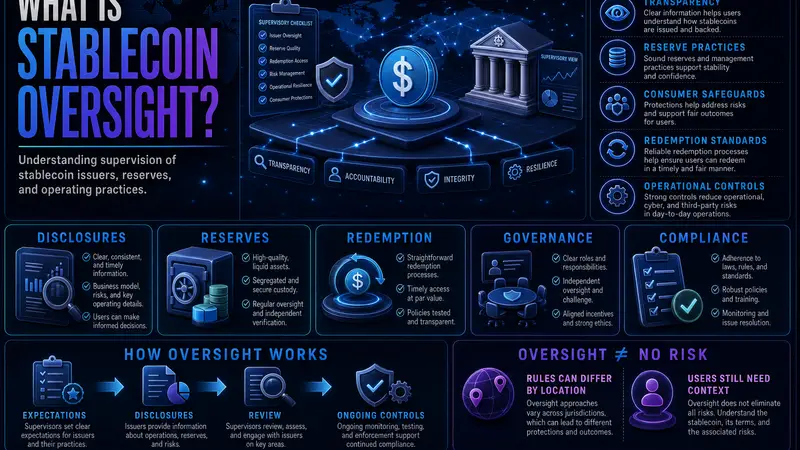
Stablecoin oversight is the supervision of stablecoin practices intended to support transparency, safeguards, and responsible operation.
Loading page…
Beginner-friendly crypto, macro, and market structure explainers for reading the Daily Pulse with more context.
Showing 1–12 of 270 guides
Stablecoin oversight is the supervision of stablecoin practices intended to support transparency, safeguards, and responsible operation.
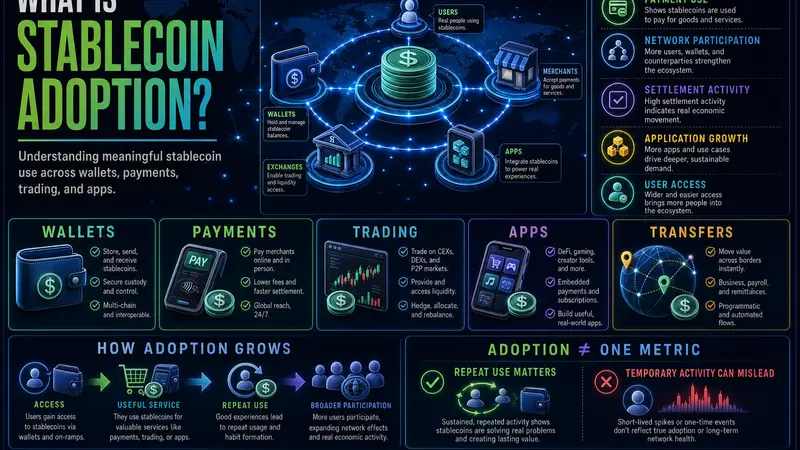
Stablecoin adoption describes meaningful, ongoing use of stablecoins across wallets, payments, trading, and applications.
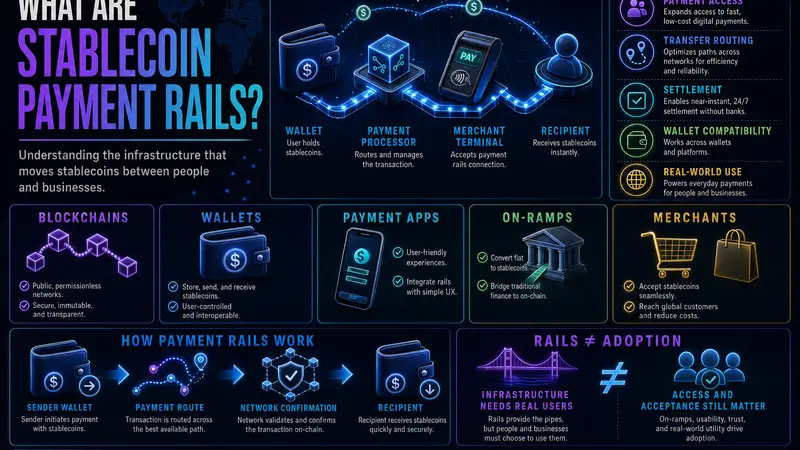
Stablecoin payment rails are the infrastructure that lets stablecoins move, settle, and be used for payments.
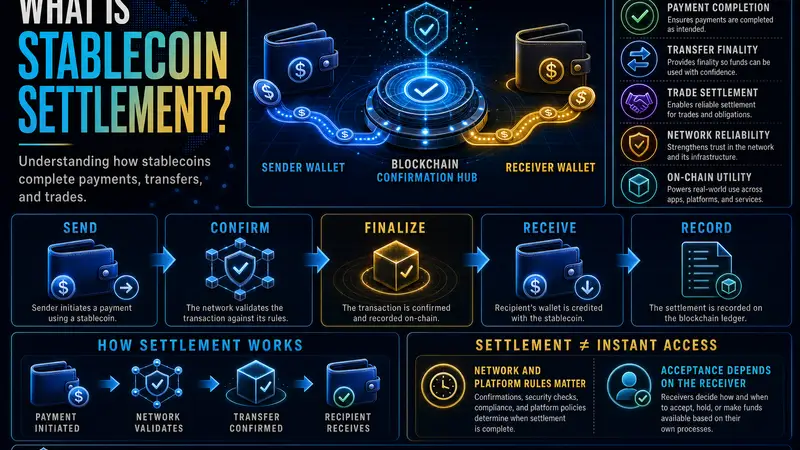
Stablecoin settlement is the completion of a transfer, payment, or trade using stablecoins as the settlement asset.
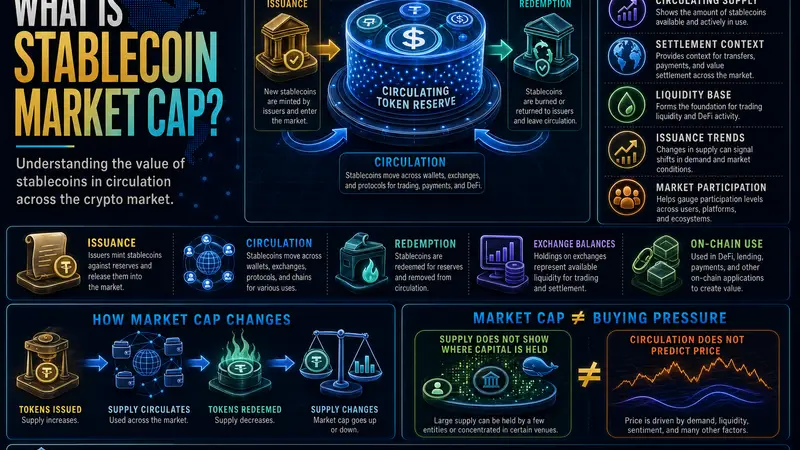
Stablecoin market cap shows the value of stablecoins in circulation and adds context about the crypto ecosystem’s stablecoin supply.
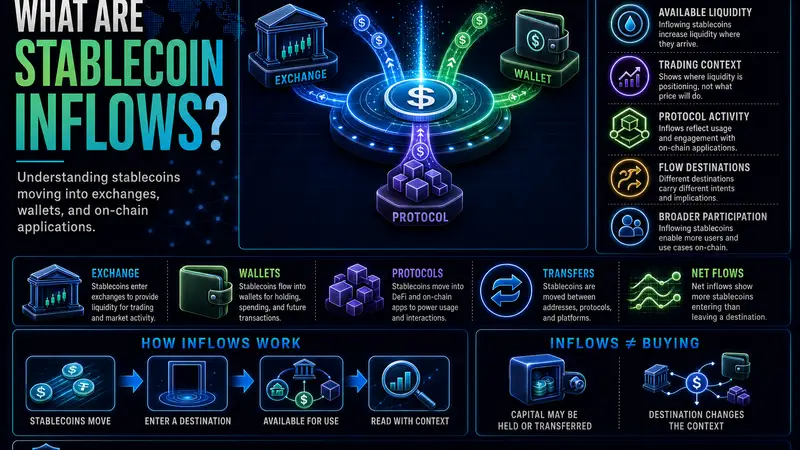
Stablecoin inflows show where stablecoin capital is moving, adding context about possible trading, settlement, or application activity.
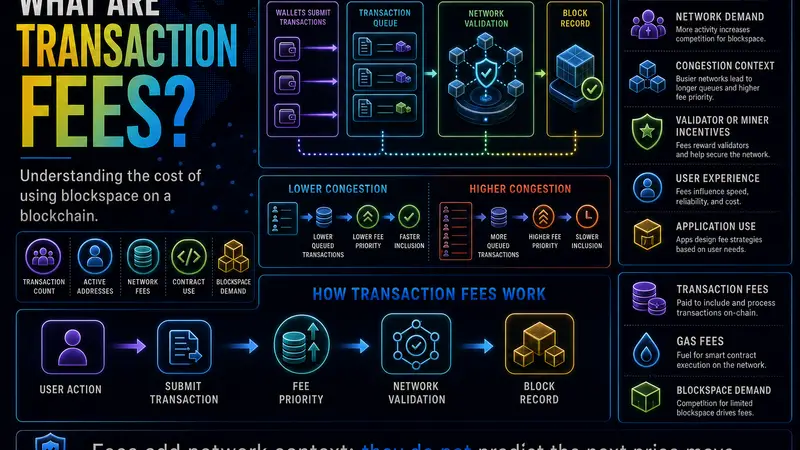
Transaction fees are the cost of using blockchain blockspace and add context about network demand, congestion, and incentives.
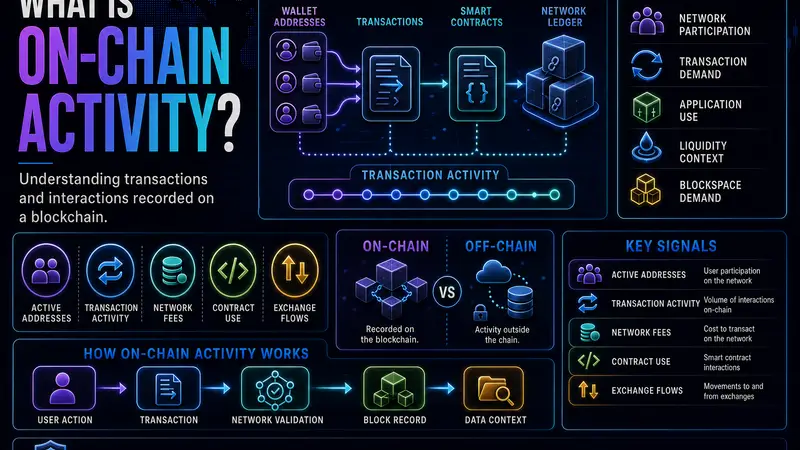
On-chain activity is blockchain-recorded network use that helps add context about transactions, participation, and application activity.
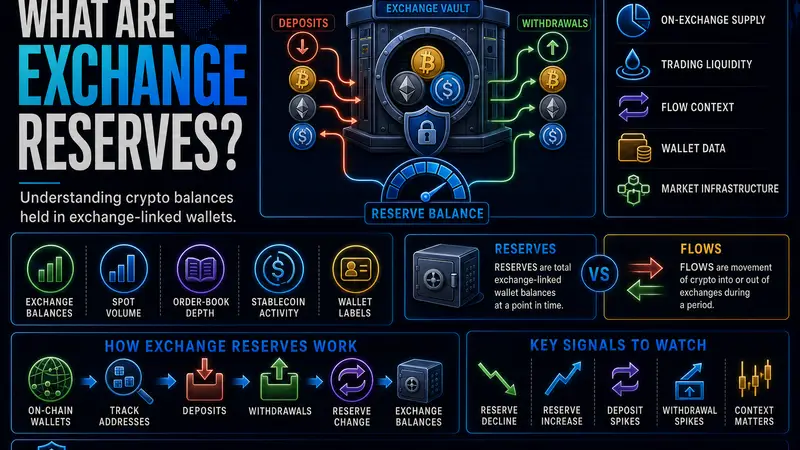
Exchange reserves are balances held in exchange-linked wallets, helping add context to on-exchange supply and crypto flows.
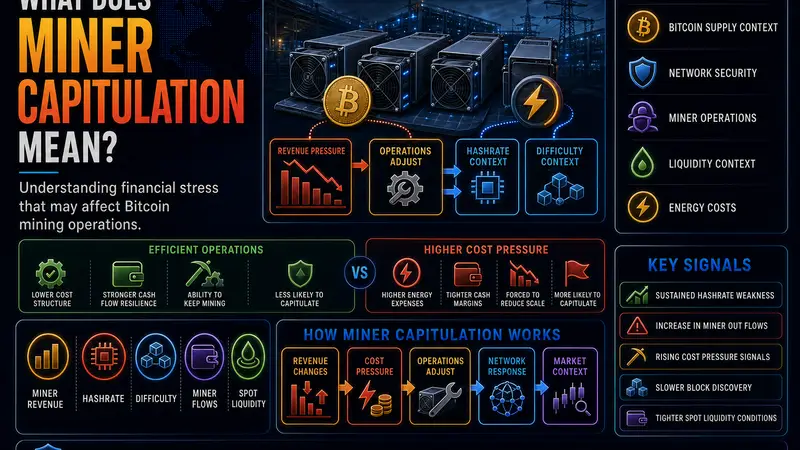
Miner capitulation is mining-sector financial stress that can affect operations and Bitcoin supply context without predicting price.
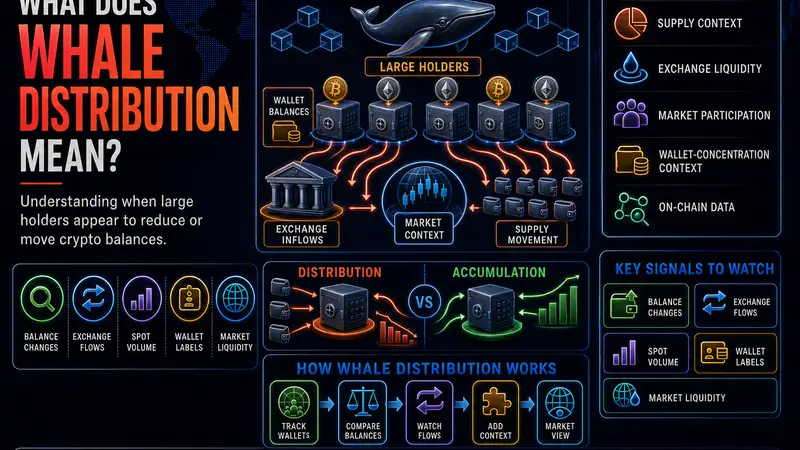
Whale distribution is a pattern of large holders reducing or redistributing balances, adding context about supply and exchange flows.
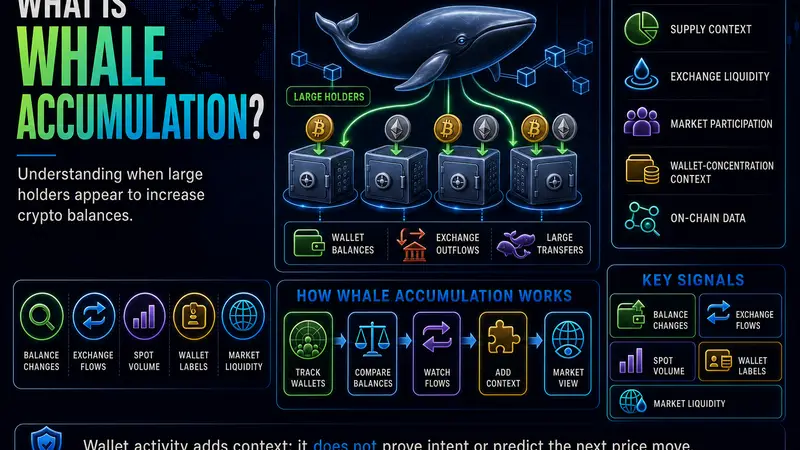
Whale accumulation is a pattern of large holders increasing crypto balances, adding context about supply, exchange flows, and participation.
Beginner-friendly crypto, macro, and market structure explainers for reading the Daily Pulse with more context.
Showing 25–36 of 270 guides
Stablecoin oversight is the supervision of stablecoin practices intended to support transparency, safeguards, and responsible operation.
Stablecoin adoption describes meaningful, ongoing use of stablecoins across wallets, payments, trading, and applications.
Stablecoin payment rails are the infrastructure that lets stablecoins move, settle, and be used for payments.
Stablecoin settlement is the completion of a transfer, payment, or trade using stablecoins as the settlement asset.
Stablecoin market cap shows the value of stablecoins in circulation and adds context about the crypto ecosystem’s stablecoin supply.
Stablecoin inflows show where stablecoin capital is moving, adding context about possible trading, settlement, or application activity.
Transaction fees are the cost of using blockchain blockspace and add context about network demand, congestion, and incentives.
On-chain activity is blockchain-recorded network use that helps add context about transactions, participation, and application activity.
Exchange reserves are balances held in exchange-linked wallets, helping add context to on-exchange supply and crypto flows.
Miner capitulation is mining-sector financial stress that can affect operations and Bitcoin supply context without predicting price.
Whale distribution is a pattern of large holders reducing or redistributing balances, adding context about supply and exchange flows.
Whale accumulation is a pattern of large holders increasing crypto balances, adding context about supply, exchange flows, and participation.