June 20263 minIntermediate
What Are Call Options?
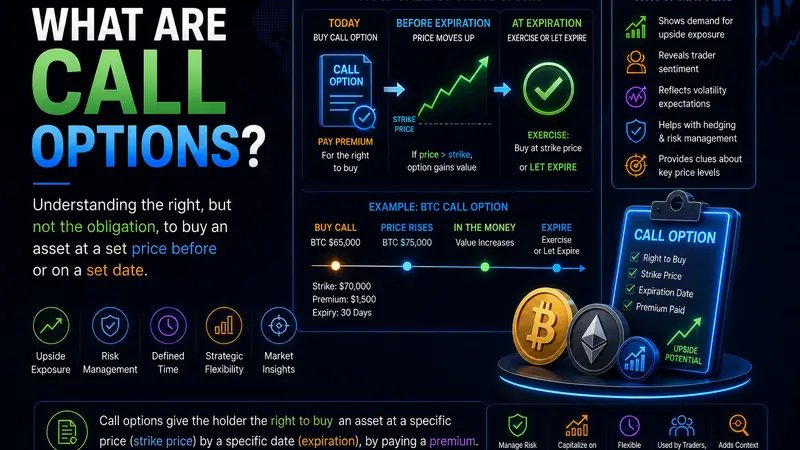
Call options give traders the right to buy at a set price and can show demand for upside exposure or active positioning.
Loading page…
Beginner-friendly crypto, macro, and market structure explainers for reading the Daily Pulse with more context.
Showing 1–12 of 324 guides
Call options give traders the right to buy at a set price and can show demand for upside exposure or active positioning.
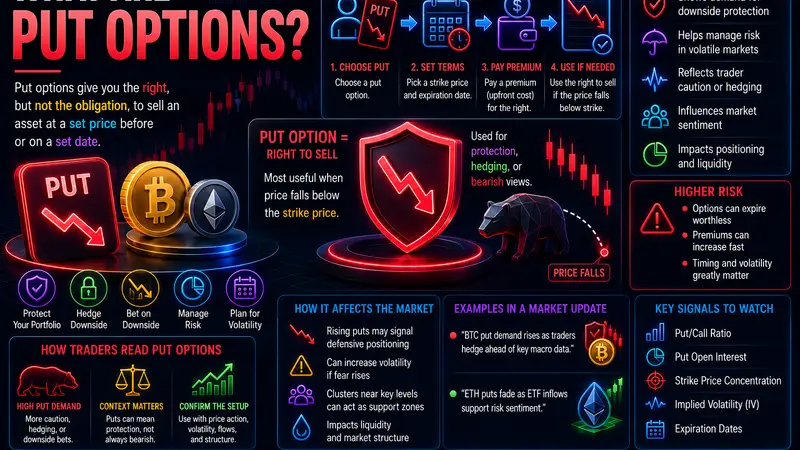
Put options give traders the right to sell at a set price and can show demand for downside protection or cautious positioning.
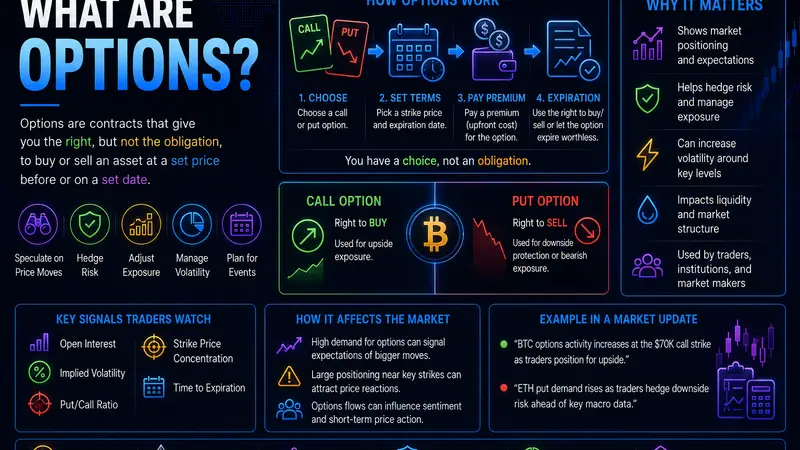
Options are contracts that give traders the choice to buy or sell an asset at a set price within a set time.
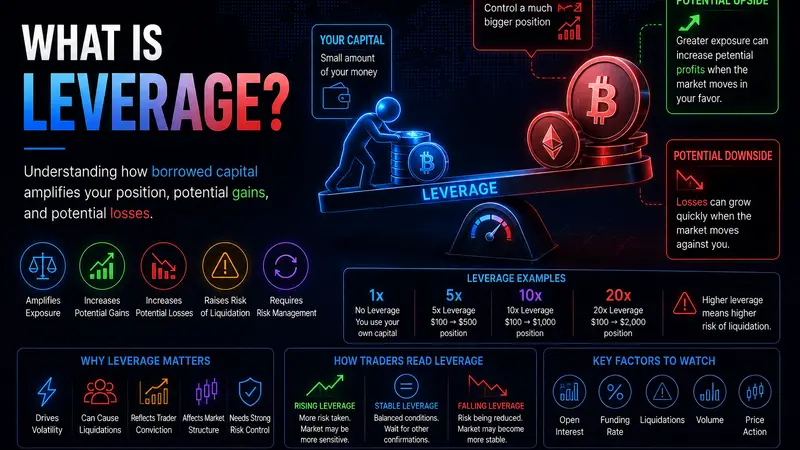
Leverage means using borrowed exposure to control a larger position, which can amplify gains, losses, liquidations, and volatility.
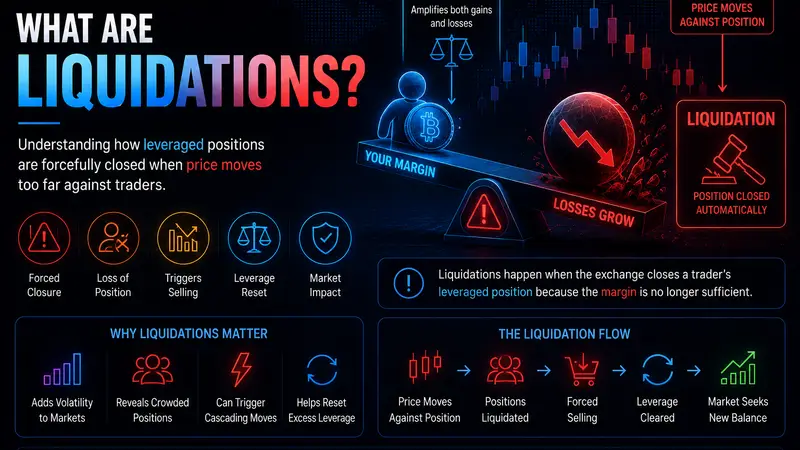
Liquidations happen when leveraged trades are forced closed after price moves too far against them.
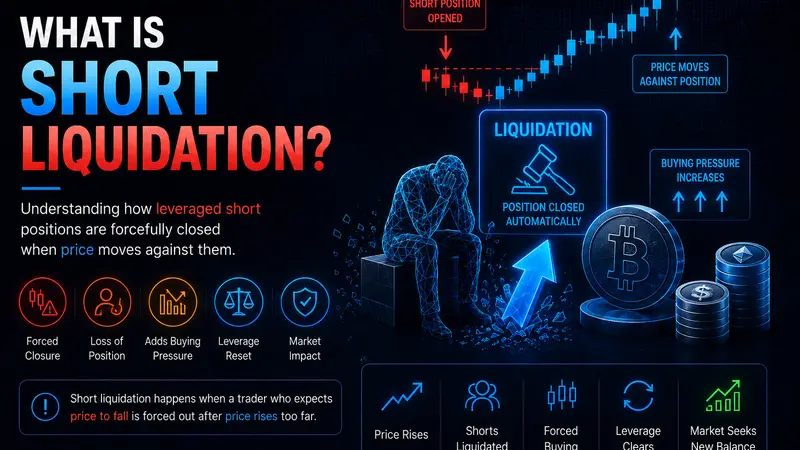
Short liquidation happens when short positions are forced closed after price rises too far.
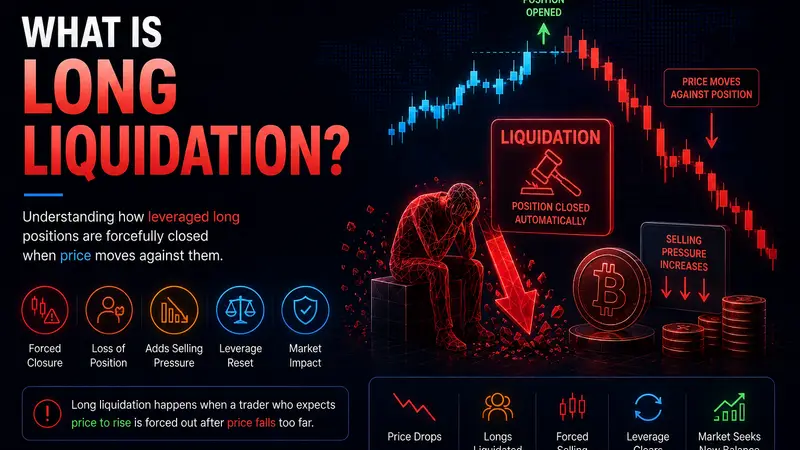
Long liquidation happens when a leveraged long position is forced closed after price moves against it.
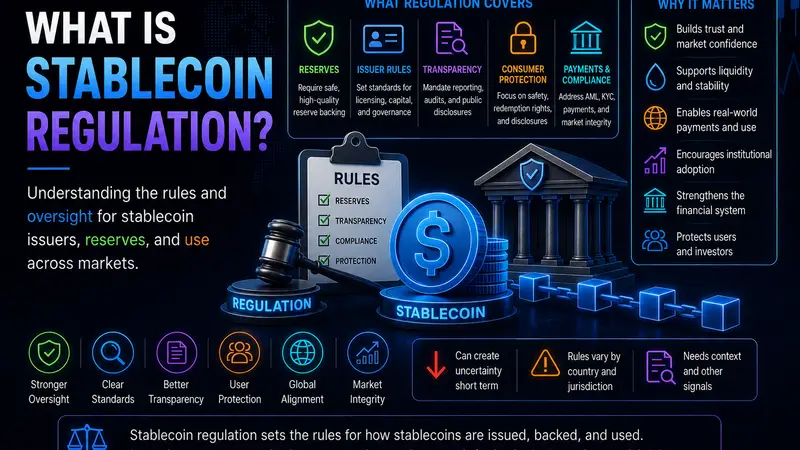
Stablecoin regulation means rules and oversight for stablecoin issuers, reserves, payments, and market use.
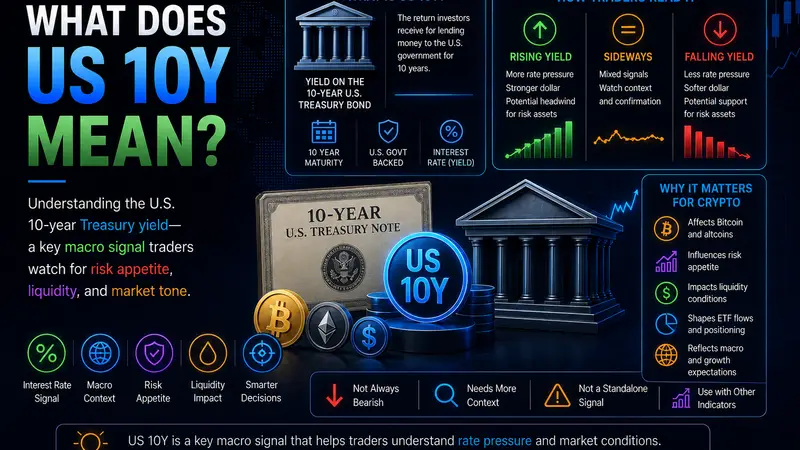
US 10Y refers to the 10-year U.S. Treasury yield, a major macro signal traders watch for risk appetite and market pressure.
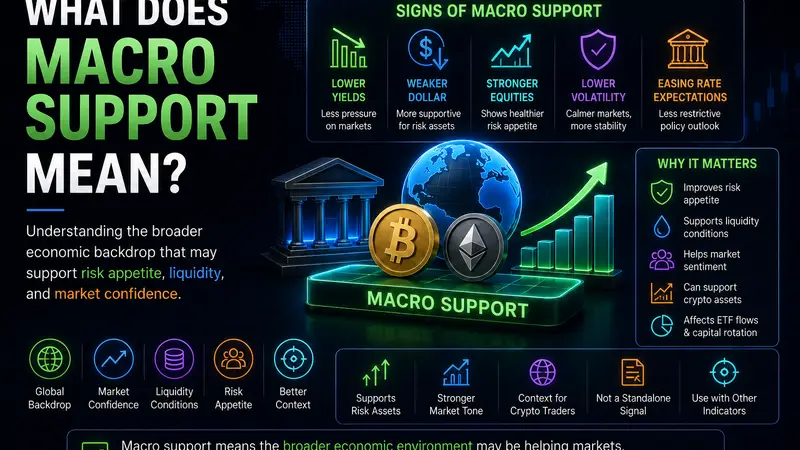
Macro support means broader economic conditions may be helping risk appetite, liquidity, and market confidence.
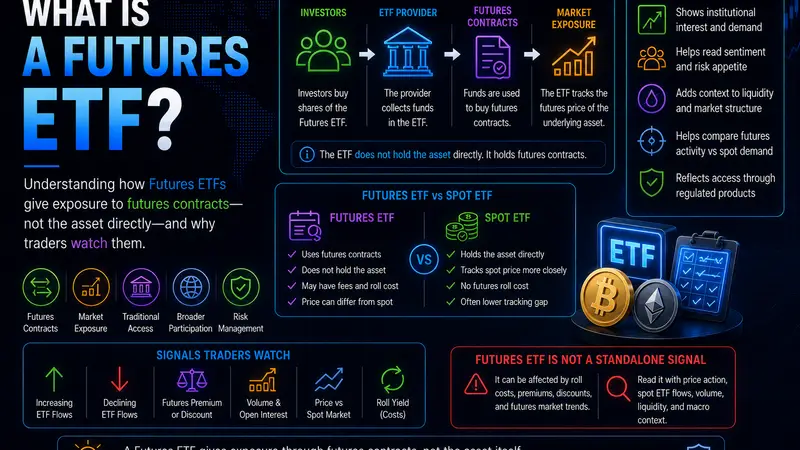
A Futures ETF tracks futures contracts instead of directly holding the underlying asset, helping traders read market exposure and sentiment.
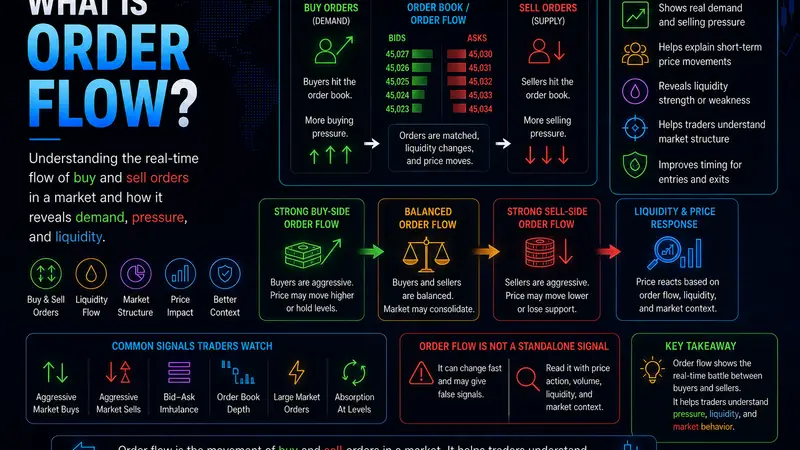
Order flow shows how buy and sell orders move through a market, helping traders read demand, pressure, and liquidity.
Beginner-friendly crypto, macro, and market structure explainers for reading the Daily Pulse with more context.
Showing 265–276 of 324 guides
Call options give traders the right to buy at a set price and can show demand for upside exposure or active positioning.
Put options give traders the right to sell at a set price and can show demand for downside protection or cautious positioning.
Options are contracts that give traders the choice to buy or sell an asset at a set price within a set time.
Leverage means using borrowed exposure to control a larger position, which can amplify gains, losses, liquidations, and volatility.
Liquidations happen when leveraged trades are forced closed after price moves too far against them.
Short liquidation happens when short positions are forced closed after price rises too far.
Long liquidation happens when a leveraged long position is forced closed after price moves against it.
Stablecoin regulation means rules and oversight for stablecoin issuers, reserves, payments, and market use.
US 10Y refers to the 10-year U.S. Treasury yield, a major macro signal traders watch for risk appetite and market pressure.
Macro support means broader economic conditions may be helping risk appetite, liquidity, and market confidence.
A Futures ETF tracks futures contracts instead of directly holding the underlying asset, helping traders read market exposure and sentiment.
Order flow shows how buy and sell orders move through a market, helping traders read demand, pressure, and liquidity.