May 20262 minBeginner
What Are Exchange Flows?
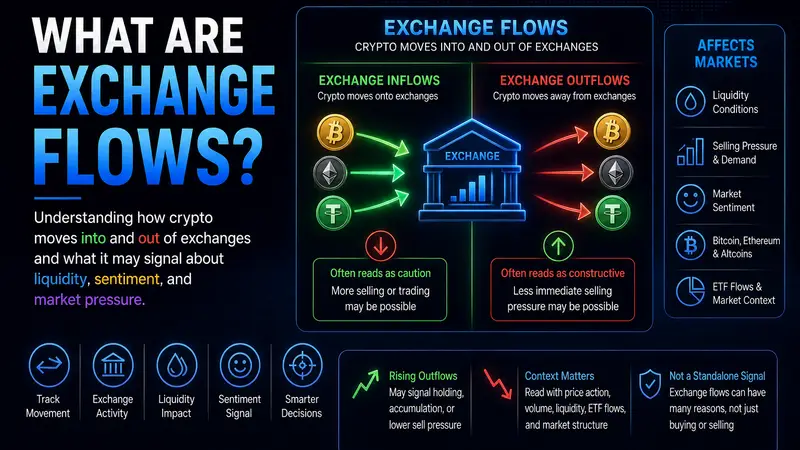
Exchange Flows show how crypto moves into and out of exchanges, helping traders read liquidity, sentiment, and possible selling pressure.
034
Read guideLoading page…
Beginner-friendly crypto, macro, and market structure explainers for reading the Daily Pulse with more context.
Showing 1–12 of 324 guides
Exchange Flows show how crypto moves into and out of exchanges, helping traders read liquidity, sentiment, and possible selling pressure.
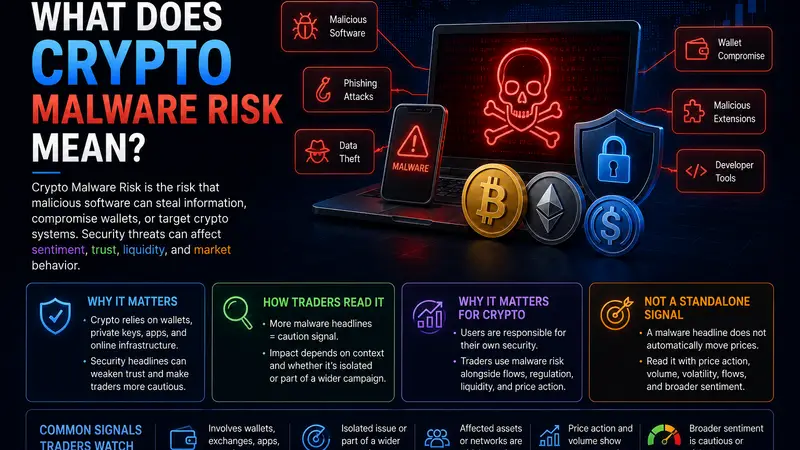
Crypto Malware Risk explains how malicious software can affect wallets, apps, developer tools, and market confidence.
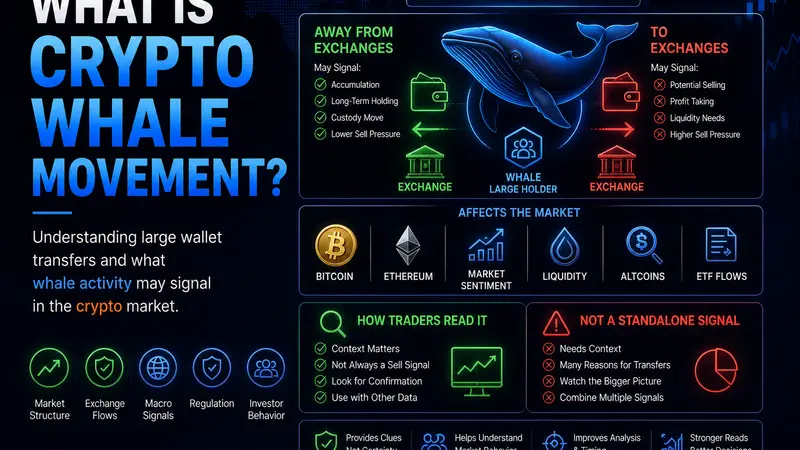
Crypto Whale Movement explains how large wallet transfers may affect sentiment, liquidity, and market interpretation.
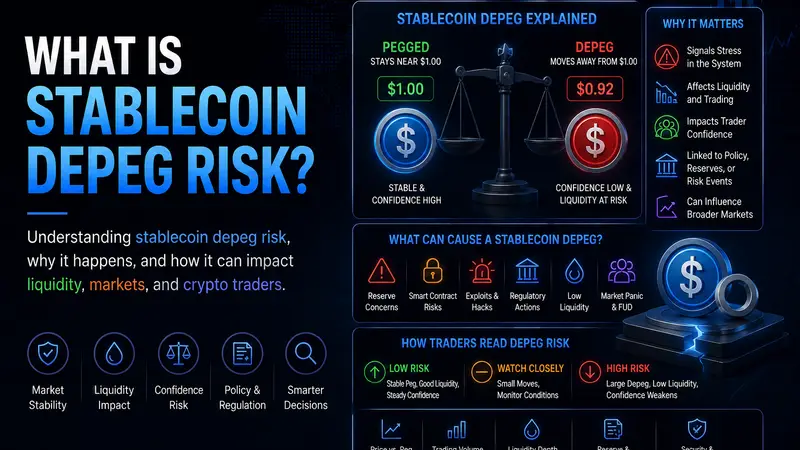
Stablecoin Depeg Risk explains why a stablecoin may move away from its intended price and why traders watch it during market stress.
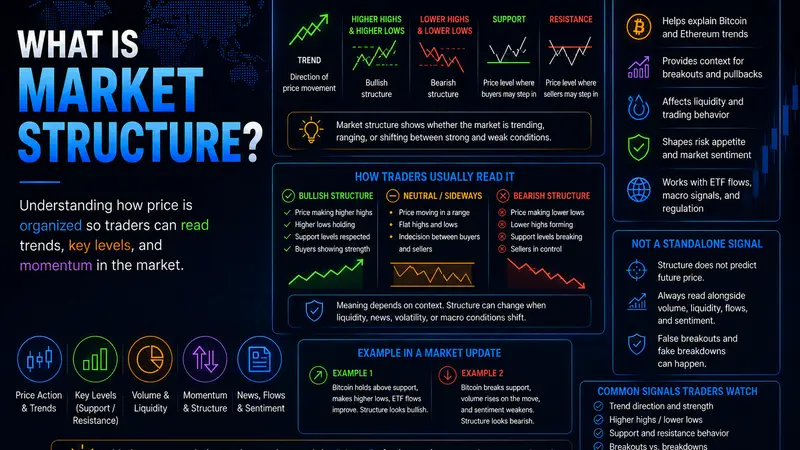
Market structure describes how price is organized, including trends, ranges, support, resistance, and key levels.
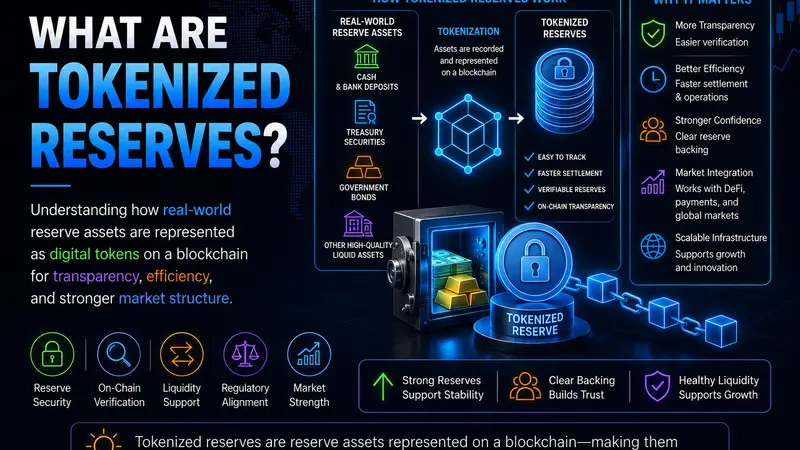
Tokenized reserves are reserve assets represented on a blockchain so they can be tracked, transferred, or verified more easily.
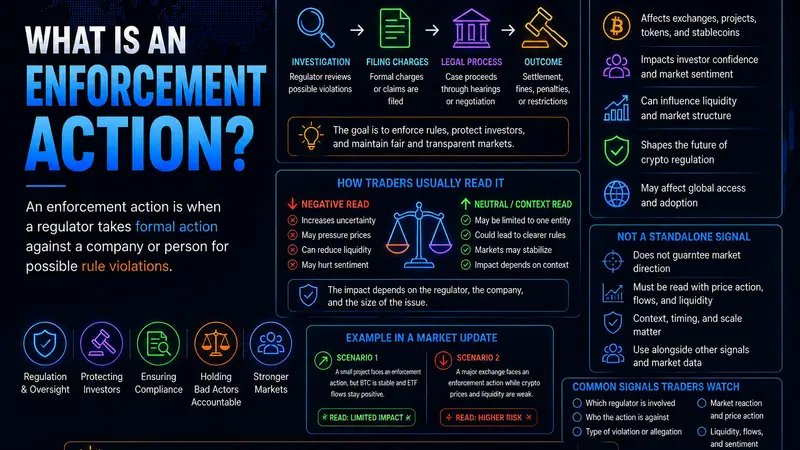
An enforcement action is when a regulator takes formal action against a company or person for possible rule violations.
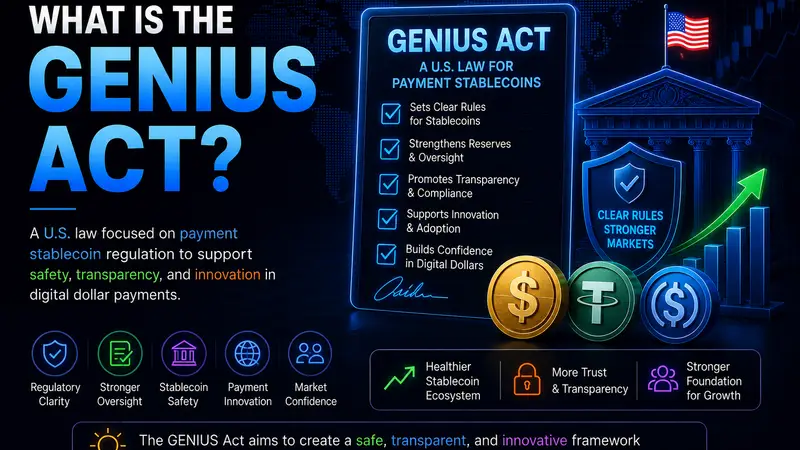
The GENIUS Act is a U.S. stablecoin law that helps shape how payment stablecoins are regulated and read by crypto markets.
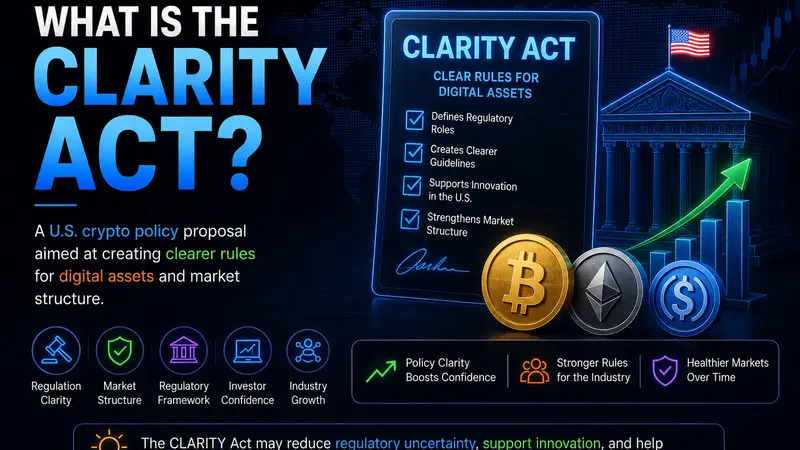
The CLARITY Act is a U.S. crypto policy proposal that may shape how digital assets are regulated and understood by markets.
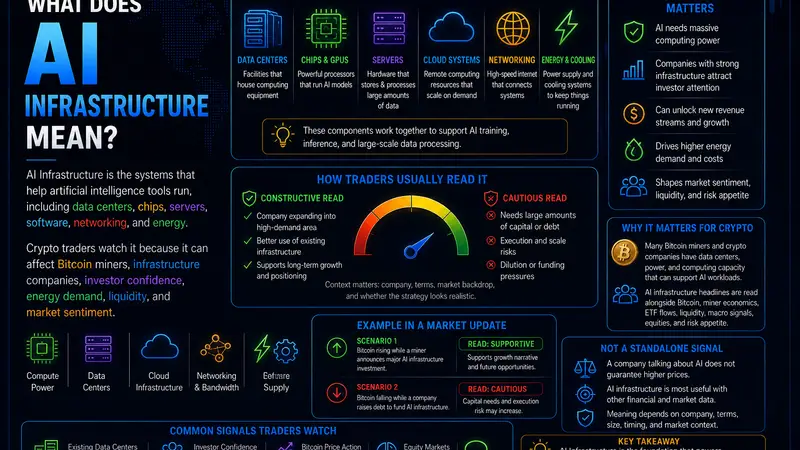
AI Infrastructure is the hardware, data centers, chips, software, and energy systems that support artificial intelligence tools.
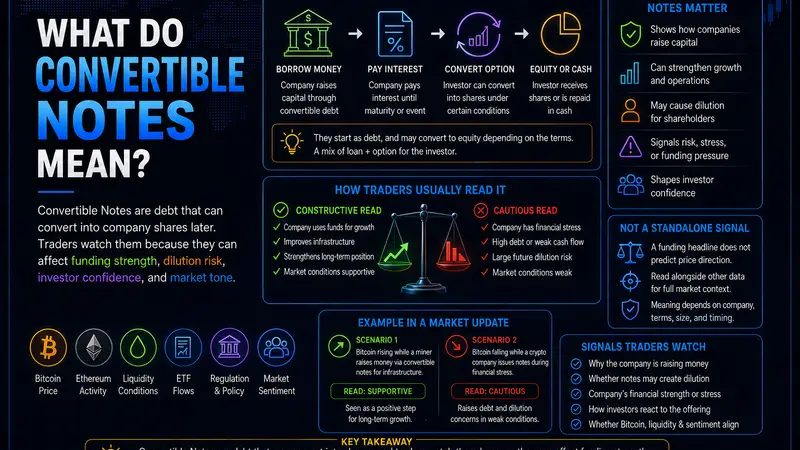
Convertible Notes are debt that may later convert into company shares, often linking funding, dilution, and investor confidence.
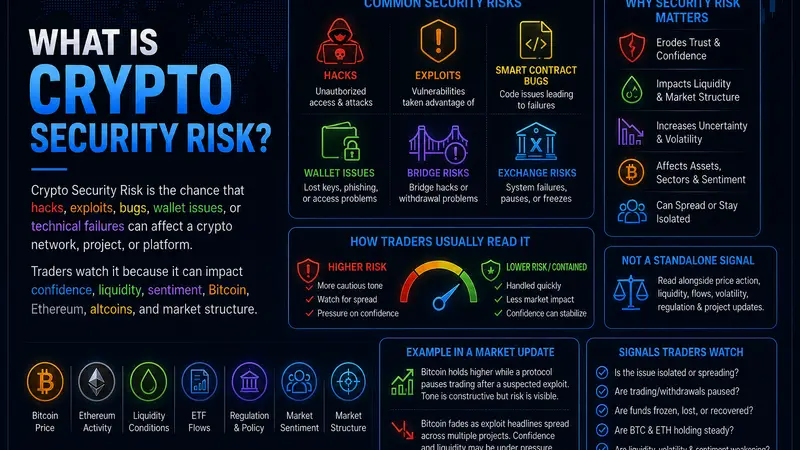
Crypto Security Risk means the chance that hacks, exploits, or technical failures can affect confidence in a crypto network or project.
Beginner-friendly crypto, macro, and market structure explainers for reading the Daily Pulse with more context.
Showing 289–300 of 324 guides
Exchange Flows show how crypto moves into and out of exchanges, helping traders read liquidity, sentiment, and possible selling pressure.
Crypto Malware Risk explains how malicious software can affect wallets, apps, developer tools, and market confidence.
Crypto Whale Movement explains how large wallet transfers may affect sentiment, liquidity, and market interpretation.
Stablecoin Depeg Risk explains why a stablecoin may move away from its intended price and why traders watch it during market stress.
Market structure describes how price is organized, including trends, ranges, support, resistance, and key levels.
Tokenized reserves are reserve assets represented on a blockchain so they can be tracked, transferred, or verified more easily.
An enforcement action is when a regulator takes formal action against a company or person for possible rule violations.
The GENIUS Act is a U.S. stablecoin law that helps shape how payment stablecoins are regulated and read by crypto markets.
The CLARITY Act is a U.S. crypto policy proposal that may shape how digital assets are regulated and understood by markets.
AI Infrastructure is the hardware, data centers, chips, software, and energy systems that support artificial intelligence tools.
Convertible Notes are debt that may later convert into company shares, often linking funding, dilution, and investor confidence.
Crypto Security Risk means the chance that hacks, exploits, or technical failures can affect confidence in a crypto network or project.