Difference Between Coins and Tokens in Cryptocurrency
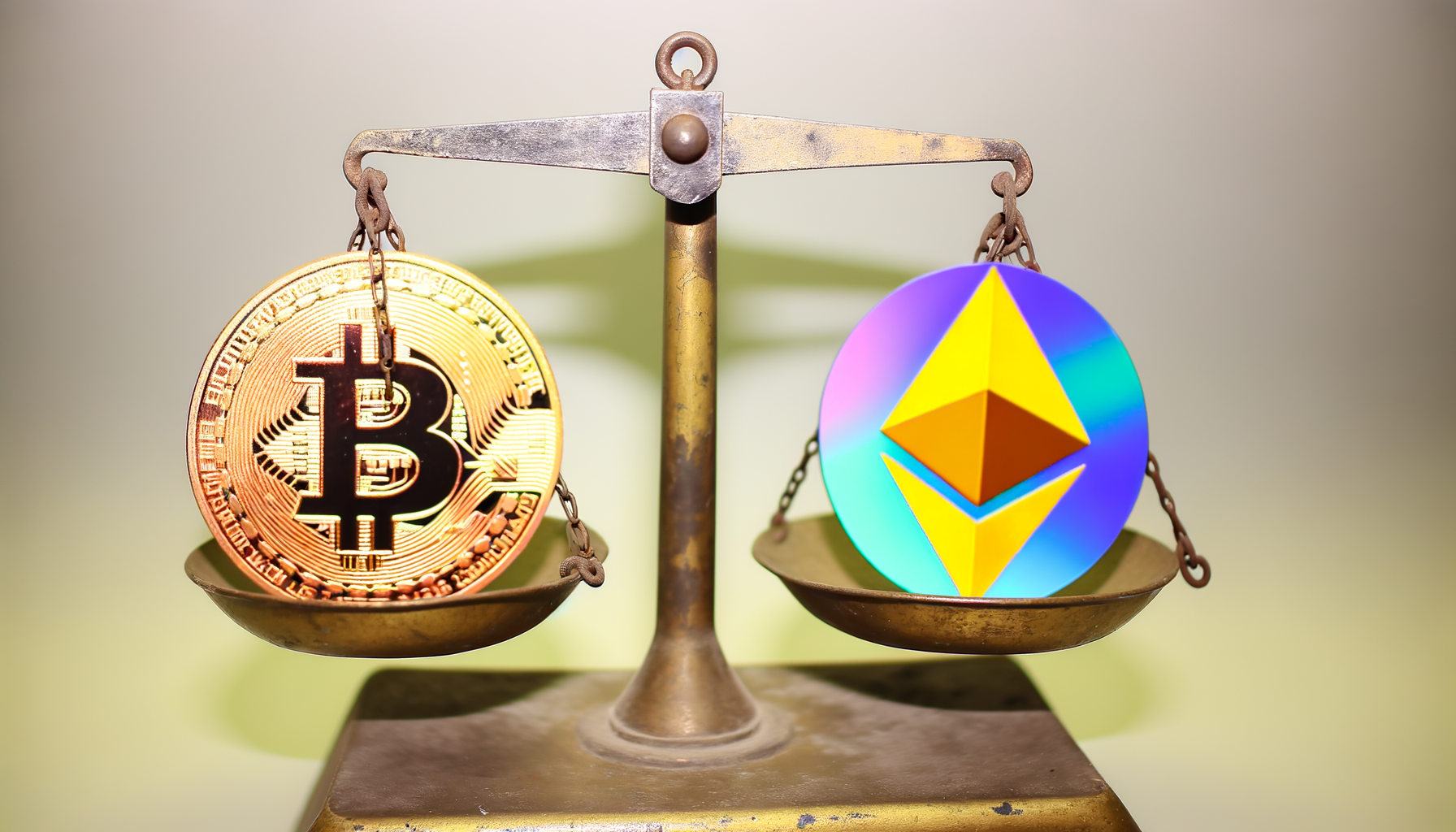
Understanding the difference between coins and tokens
Why coins and tokens get mixed up
In cryptocurrency, the terms “coins” and “tokens” are often used interchangeably, which can make the difference between coins and tokens feel unclear. This is not just a wording issue. Understanding the basics helps you make sense of how different assets work and what they are designed to do. This article explains cryptocurrency coins vs tokens in a calm, practical way, with simple examples of how crypto coins and tokens are created and used.
Brief illustration: If you send ETH to a friend, you are using a coin that runs on its own network. If you send an ERC-20 token, you are using a token that runs on Ethereum through a smart contract.
The core purpose behind coins and tokens
One simple way to understand the difference between coins and tokens is by looking at their purpose. Coins, such as Bitcoin and Litecoin, are the native currency of a blockchain. They are designed to be used for transfers, and in many cases as a way to pay fees on that network. Tokens are created on existing blockchains and can represent many different things, such as access to a service, participation in a community, or a unit of value within a specific project. This is part of the purpose of coins and tokens, coins are often the base asset of a network, while tokens are more flexible tools built on top.
The purpose of coins and tokens in crypto
How coins work at the blockchain level
From a design perspective, crypto coins and tokens differ in a key way. Coins live on their own blockchains, which provide the network where transactions are recorded and verified. For example, Bitcoin transactions are processed on the Bitcoin blockchain, and BTC is the native coin used to pay transaction fees on that network. This is one reason coins are often described as the core money of a blockchain.
How tokens use existing blockchains
Tokens do not have their own blockchain. They are built on top of an existing network. A common example is ERC-20 tokens, which are created and managed on the Ethereum blockchain using a shared standard. When you send a coin, you are transferring the native asset of that blockchain. When you interact with a token, you are usually interacting with a smart contract on an existing chain. This structural difference affects how assets move, how network fees are paid, and which wallets and apps support them.
Everyday uses of coins and tokens
Where coins show up in everyday life
In everyday use, coins are often treated like the main currency of a network. People might use them to send value to someone else, pay network fees, or store value depending on the coin and the person’s goals. For many users, sending a coin is similar to sending digital cash, with the blockchain acting as the settlement layer underneath.
How tokens power crypto ecosystems
Tokens usually have a wider range of uses inside a specific ecosystem. They can be used for access, rewards, governance voting, or paying for services within a project. Some tokens also represent other assets, depending on how the system is designed. By understanding cryptocurrency coins vs tokens, you can navigate crypto coins and tokens more calmly and make choices that better match how you plan to use them.
In summary, learning the difference between coins and tokens makes cryptocurrency easier to understand. Coins are typically the native asset of a blockchain, while tokens are more like flexible building blocks created on top of an existing chain. Neither is automatically better, but each plays a different role in the broader ecosystem.
What to watch for
When you are comparing crypto coins and tokens, a few practical risks and confusion points come up often:
• Network mismatch, a token can exist on multiple chains, so you need the correct network and wallet support
• Fee confusion, sending a token often still requires the network’s coin to pay transaction fees
• Token names can be copied, lookalike tokens can share similar symbols and branding
• Smart contract risk, tokens depend on contract code, which can fail or be exploited
• Utility claims, the stated purpose of coins and tokens may not match real adoption or long term use
Quick safety checklist
If you want a simple way to stay grounded, this checklist can help:
• Can you explain the difference between coins and tokens in one sentence, based on whether it has its own chain?
• If it is a token, do you know which chain it is on, and whether it is an ERC-20 token or a different standard?
• Do you know which coin is required to pay fees when transferring that token?
• Have you checked that the token is the correct one, not a lookalike with a similar name?
• Are you clear on the stated purpose of coins and tokens, and what problem the project claims to solve?
Finally, a quick reminder: this article is not financial advice. It is an educational guide so you can understand these concepts before making your own decisions.
Terms in This Briefing
Quick explainers for concepts used in this post.
Comments (0)
Join the discussion
Sign in or create a free account to leave a comment.
No comments yet. Be the first to comment!