Cold Wallet Explained for Crypto Users
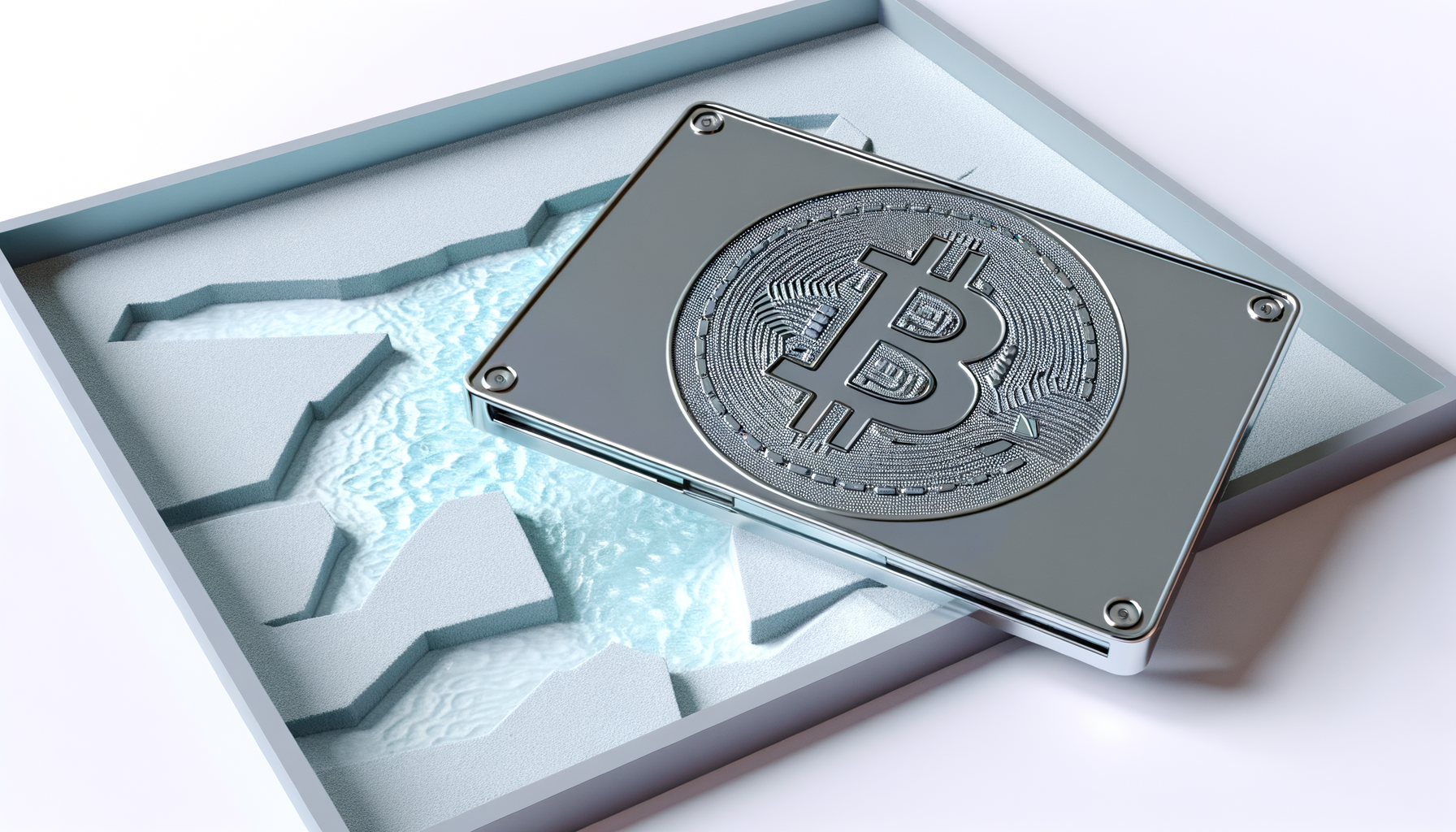
A cold wallet, often called a crypto cold wallet, is a tool used to store crypto private keys offline, which can reduce exposure to online threats. For many people, it is one of the clearest paths to self-custody. At the same time, using a cold wallet comes with setup steps, backup responsibilities, and risks that beginners should understand before relying on one.
How a cold wallet differs from a hot wallet
The main difference between a cold wallet and a hot wallet is internet exposure. A hot wallet is connected to the internet, which makes it more convenient for frequent use but also more exposed to online risks. A cold wallet keeps private keys offline, which can make it a stronger choice for long-term storage and security-focused users.
Why people use cold wallets
Many people use cold wallets because they want more control over their crypto and less dependence on exchanges or always-online apps. Keeping private keys offline can reduce the chance that a hack, malware infection, or compromised device leads directly to lost funds. That is why cold wallets are often considered a stronger option for self-custody, especially when security matters more than speed or convenience.
The trade-offs of using a cold wallet
The added security of a cold wallet usually comes with more responsibility. Users may need to set up the wallet carefully, protect recovery phrases, keep the device physically safe, and understand how to recover access if something goes wrong. A cold wallet can reduce online risk, but it does not remove human error, poor backups, phishing, or physical loss as possible problems.
What a crypto hardware wallet is
A crypto hardware wallet is a physical device that stores private keys in an environment separate from an internet connection. It is one of the most common types of cold wallet and is often chosen by people who want stronger protection for long-term holdings. However, a hardware wallet can feel unnecessary for someone holding a very small amount of crypto or making frequent day-to-day transactions.
When a cold wallet makes sense
A cold wallet may make the most sense for people who want stronger self-custody, hold meaningful amounts of crypto, or do not need constant access for trading. For smaller balances or more frequent transactions, some people may prefer the convenience of a hot wallet, even though it comes with higher online exposure. The better choice depends on how you use crypto, how much security you need, and how willing you are to handle the extra responsibility that comes with offline storage.
Final thought
Both hot and cold wallets can be useful, but they serve different needs. A cold wallet is usually better for stronger long-term security, while a hot wallet is often easier for speed and convenience. The important part is understanding the trade-offs clearly so you can choose the option that fits your habits and risk tolerance.
Terms in This Briefing
Quick explainers for concepts used in this post.
Comments (0)
Join the discussion
Sign in or create a free account to leave a comment.
No comments yet. Be the first to comment!