Blockchain Explained Simply: Blocks & Nodes
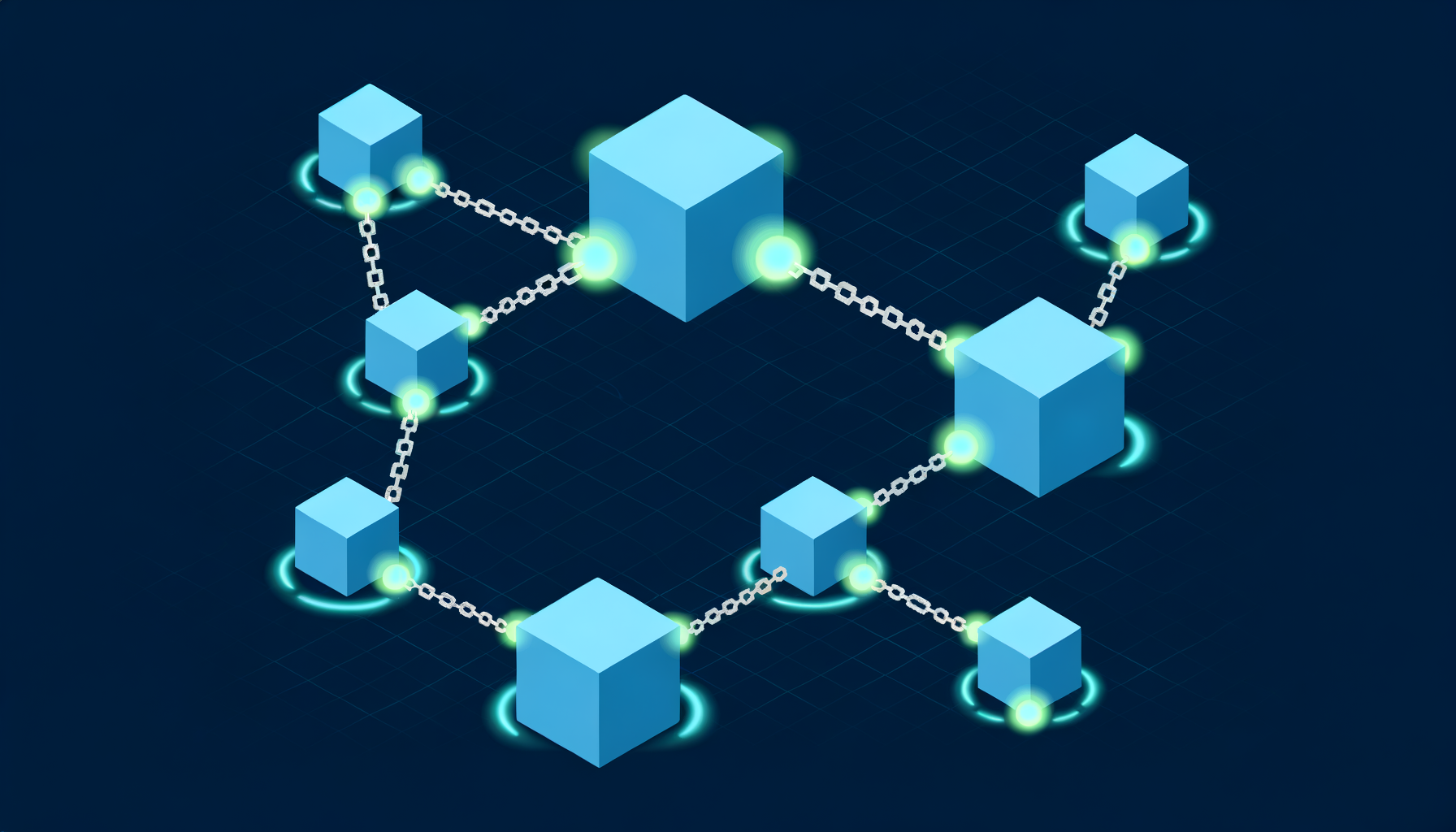
Blockchain explained simply for beginners
The term “blockchain” comes up often, especially in conversations about Bitcoin and other digital currencies. Even so, many explanations stay vague, and people are left knowing only that it is “the foundational technology for cryptocurrencies.” In this guide, blockchain explained simply means focusing on the basic parts, blocks, nodes, and how the network agrees on what is true. This is a straightforward starting point for understanding blockchain technology without getting buried in jargon.
Tiny example: If you send crypto to a friend, the network checks the transaction, groups it with others, and records it in a new block so it becomes part of the shared history.
What is a block in blockchain
A simple blockchain ledger system
To start, what is a block in blockchain? A block is like a page in a shared record. It stores a set of transactions plus some extra information that links it to the block before it. When a block is completed, a new block is created and connected to the previous one, forming a chain. Over time, this creates a blockchain ledger system, a growing history of transactions that many computers can verify.
Role of nodes in blockchain
How nodes support blockchain network security
Next is the role of nodes in blockchain. A node is a computer that participates in the network. Many nodes store and update a copy of the blockchain and follow the network’s rules to check new data. Because these nodes are distributed, no single computer is in charge, which can improve blockchain network security. When a new transaction or block is proposed, nodes check whether it follows the rules before accepting it as part of the shared record.
How does blockchain work
Consensus algorithms in blockchain and transaction validation
So, how does blockchain work without a central authority? The network relies on consensus algorithms in blockchain, which are methods nodes use to agree on the current state of the ledger. Different blockchains use different approaches, but the goal is similar: make sure the network reaches agreement on valid history. This is what supports blockchain transaction validation, confirming that a transaction follows the rules before it becomes part of the ledger.
What to watch for
As a blockchain for beginners topic, it helps to keep a few practical points in mind so the idea stays clear:
• “Blockchain” is a broad term, different networks can work differently, especially around consensus and fees
• A transaction can be broadcast quickly, but final confirmation can take time depending on the network
• Wallet addresses and networks must match, a valid looking address can still be wrong for the chain you are using
• Scammers often use “blockchain” language to sound credible, even when the product is unclear
• Public ledgers can be transparent, but that does not automatically mean privacy
Understanding blockchain technology as a whole
To fully understand blockchain explained simply, focus on three connected ideas: what a block in blockchain is, the role of nodes in blockchain, and how consensus helps the network agree on valid history. When those pieces click, understanding blockchain technology becomes less mysterious. You do not need to treat blockchain as magic, or as a trend. It is a type of shared record keeping system with specific rules for adding new information.
Quick safety checklist
If you are learning the basics, this checklist can help you keep the concepts grounded:
• Can you explain what a block is, in one sentence, as part of a blockchain ledger system?
• Do you understand the role of nodes in blockchain and why distribution matters?
• Do you know that blockchain transaction validation can take time, depending on the network?
• Can you describe consensus algorithms in blockchain as “how the network agrees on what is true”?
• Are you avoiding vague claims and focusing on clear explanations of how does blockchain work?
Quick reminder: this article is for general education only. It is not financial, legal, or technical advice, just a simple explanation of how blockchain works so you can understand the basics before making your own decisions.
Comments (0)
Join the discussion
Sign in or create a free account to leave a comment.
No comments yet. Be the first to comment!